

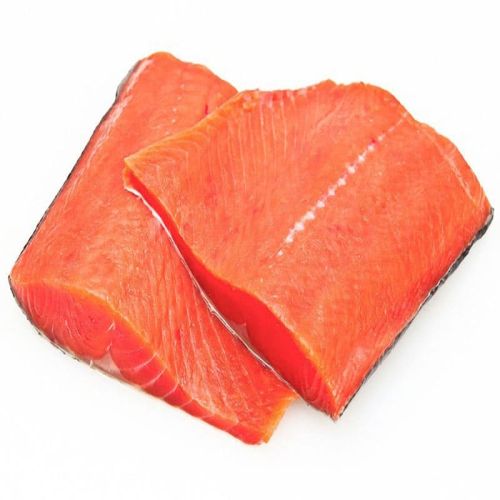
Frozen seafood plays a vital role in the global food industry, allowing high-quality fish and shellfish to be transported across long distances while maintaining freshness and safety. For importers, wholesalers, and food businesses, understanding how seafood is processed and preserved helps in choosing reliable suppliers and ensuring product quality.
Modern freezing techniques and strict handling procedures make it possible to deliver seafood products to international markets such as the USA, Europe, UAE, Saudi Arabia, and Asia without compromising taste or nutritional value.
In this article, we explain how frozen seafood is processed and preserved for global supply.
What Is Frozen Seafood Processing?
Frozen seafood processing involves cleaning, preparing, freezing, and packaging seafood products in a controlled environment. The goal is to preserve freshness, prevent spoilage, and maintain the natural texture and flavor of the product.
This process begins immediately after harvesting to ensure that the seafood retains its original quality.
Step 1: Sourcing and Harvesting
The process starts with sourcing seafood from reliable fisheries or aquaculture farms. Freshly caught fish, shrimp, and shellfish are handled carefully to prevent damage and contamination.
Quick handling at this stage is essential to maintain freshness before processing begins.
Step 2: Cleaning and Sorting
Once the seafood arrives at the processing facility, it is thoroughly cleaned using hygienic methods. Unwanted materials, scales, and impurities are removed.
The seafood is then sorted based on size, weight, and quality. This ensures uniformity in packaging and meets the specific requirements of international buyers.
Step 3: Processing and Preparation
Depending on the product type, seafood may be processed into different forms such as whole, fillets, peeled, deveined, or cooked.
For example, shrimp may be processed into headless or peeled and deveined forms, while fish may be cut into fillets or steaks. This step adds value and makes the product ready for various culinary uses.
Step 4: Freezing Techniques
Freezing is the most critical stage in preserving seafood. Advanced freezing methods are used to lock in freshness and prevent bacterial growth.
Common freezing methods include:
Individually Quick Frozen processing, where each piece is frozen separately to maintain shape and quality
Blast freezing, which rapidly lowers the temperature to preserve texture
Plate freezing, used for uniform freezing of flat products
These methods ensure that the seafood maintains its natural taste, color, and nutritional value.
Step 5: Packaging
Proper packaging is essential to protect seafood during storage and transportation.
Seafood products are packed using vacuum sealing or sealed plastic bags to prevent air exposure. They are then placed in export-grade cartons designed to withstand long-distance shipping.
Customized packaging options are also available for bulk buyers and specific market requirements.
Step 6: Cold Storage
After packaging, seafood is stored in temperature-controlled cold storage facilities. Maintaining the correct temperature is essential to preserve product quality over time.
Storage facilities are monitored continuously to ensure that the products remain frozen and safe until shipment.
Step 7: Transportation and Shipping
Frozen seafood is transported using refrigerated containers that maintain a consistent low temperature throughout the journey.
These containers are used for both sea and air freight, allowing seafood to be delivered to global markets efficiently. Temperature monitoring systems ensure that the products remain in optimal condition during transit.
Why Proper Processing Matters
Proper processing and preservation are essential for maintaining seafood quality and safety.
It helps retain the natural taste and texture of the product, prevents contamination, extends shelf life, and ensures compliance with international food safety standards.
For buyers, working with a supplier that follows strict processing methods guarantees consistent quality and reliable supply.
Frequently Asked Questions
How is seafood kept fresh after freezing?
Seafood is frozen quickly using advanced techniques and stored at low temperatures to preserve its freshness and prevent spoilage.
What is the best freezing method for seafood?
Individually quick frozen processing is considered one of the best methods because it preserves the texture and prevents pieces from sticking together.
Does freezing affect the taste of seafood?
When done properly, freezing does not affect the taste or nutritional value of seafood.
How long can frozen seafood be stored?
Frozen seafood can be stored for several months if kept at the correct temperature and handled properly.