

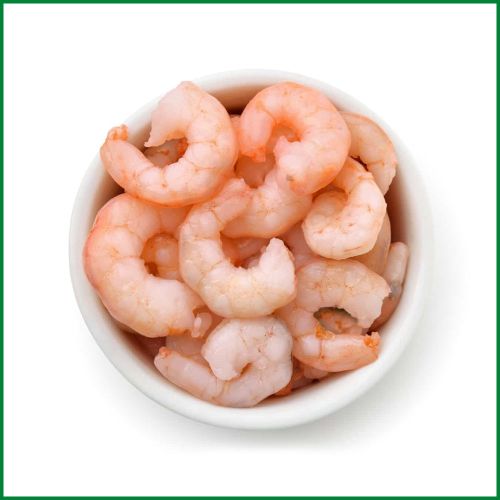
Choosing the right frozen seafood supplier is one of the most important decisions for importers, wholesalers, distributors, and food service businesses. The quality and reliability of your supplier directly impact your customer satisfaction, product consistency, and long-term growth.
With increasing global demand for seafood across markets such as the USA, Europe, UAE, Saudi Arabia, and Asia, businesses need dependable partners who can deliver high-quality products consistently and efficiently.
In this guide, you will learn how to choose the best frozen seafood supplier and what key factors to consider before making a decision.
What Does a Frozen Seafood Supplier Do?
A frozen seafood supplier sources, processes, preserves, and distributes seafood products such as shrimp, fish, crab, and shellfish using advanced freezing methods to maintain freshness, quality, and safety during storage and transportation.
1. Quality Standards and Certifications
Quality should always be your top priority when selecting a seafood supplier. A reliable supplier follows strict international food safety standards and ensures hygienic processing at every stage.
Look for suppliers that meet recognized standards such as HACCP, FDA compliance, and ISO certifications. These certifications indicate that the products are processed under controlled conditions and meet global quality requirements.
Proper freezing methods such as individually quick frozen (IQF) technology help maintain the natural texture, flavor, and nutritional value of seafood.
2. Product Range and Availability
A good supplier should offer a wide range of seafood products to meet different customer needs and market demands.
Common categories include shrimp and prawns like Vannamei and Black Tiger, frozen fish such as salmon, cod, tuna, and mackerel, crab and shellfish, sushi items, and salted fish products.
Having access to a diverse product range allows your business to expand and serve multiple segments of the market efficiently.
3. Cold Chain Logistics and Packaging
Seafood is highly perishable, which makes proper storage and transportation essential. A professional supplier uses temperature-controlled systems to maintain product quality throughout the supply chain.
This includes blast freezing, refrigerated storage, and shipping through reefer containers. Continuous temperature monitoring ensures that the seafood remains fresh from processing to delivery.
Packaging also plays a key role. Vacuum sealing, export-grade cartons, and customized bulk packaging help protect the product during transit and meet international shipping standards.
4. Global Export Experience
When dealing with international markets, it is important to work with a supplier who understands export procedures and regulations.
An experienced exporter manages documentation such as health certificates, certificates of origin, invoices, and shipping documents. They also ensure compliance with import regulations in different countries and handle logistics efficiently.
This level of expertise helps avoid delays and ensures smooth delivery to destinations worldwide.
5. Competitive Pricing and Bulk Supply
Pricing is a key factor in maintaining profitability. A reliable supplier offers competitive rates without compromising on quality.
Look for transparent pricing structures, bulk order discounts, and flexible minimum order quantities. This allows you to scale your business and manage costs effectively.
6. Reliability and Consistency
Consistency is essential in the seafood business. Your supplier should be able to deliver the same quality products with every order.
Reliable suppliers have a strong track record, positive client feedback, and long-term business relationships. They also maintain consistent supply levels to meet ongoing demand.
This ensures smooth operations and helps build trust with your customers.
7. Customer Support and Communication
Clear and responsive communication is important when working with an international supplier.
A professional supplier provides timely updates, responds quickly to inquiries, and supports you throughout the ordering and shipping process. Good communication reduces the risk of misunderstandings and ensures efficient transactions.
8. Sustainability and Responsible Sourcing
Sustainability is becoming increasingly important in the seafood industry. Many businesses prefer suppliers that follow responsible sourcing practices and environmentally friendly methods.
Choosing a supplier that prioritizes sustainability can enhance your brand image and align your business with global standards.
Common Mistakes to Avoid
Many buyers make the mistake of choosing suppliers based only on price. Ignoring quality standards, certifications, and logistics capabilities can lead to serious issues.
It is also important to verify the supplier’s experience in international trade and ensure they can handle large-scale orders consistently.
Frequently Asked Questions
Is frozen seafood as good as fresh seafood?
Frozen seafood can be just as good as fresh when it is processed and stored properly using advanced freezing techniques that preserve its quality and nutrients.
Which shrimp is best for export?
Vannamei shrimp and Black Tiger shrimp are widely preferred due to their size, texture, and global demand.
How is seafood kept fresh during shipping?
Seafood is stored and transported using temperature-controlled systems such as refrigerated containers to maintain freshness throughout the journey.
Do suppliers deliver seafood worldwide?
Yes, professional seafood suppliers offer worldwide delivery and handle the logistics required for international shipping.